
How To Get Miui 11 On Your Xiaomi Device, NOW
/Step 1 Unlock Bootloader
Step 2 Download and install TWRP
Step 3 Download Xiaomi EU WEEKLY For your device
Once you have downloaded Xiaomi EU you can drag and drop it on to your device and use TWRP to install it.
Google Camera On The Xiaomi Mi 9T // Redmi K20 Pro
/We finally have a somewhat stable version of the new google camera port for the Xiaomi Mi 9T Pro // Redmi K20 Pro. This port has been developed by Urnyx and all credit must be given to him.
The Xiaomi Mi AirDots Pro Are Incomplete
/
Last year, Xiaomi became a new competitor in the ever growing business of truly-wireless headphones, as any first generation product however, the device had more a few flaws that we wished could be fixed with its sequel. With the sequel here, we are sad to report that after spending a few days with this device however, we’ve come to realize that it is oddly missing many features from its sales pitch - making it impossible for us to bring you our full review.
During its unveiling, Xiaomi discussed how amazingly their new pair of headphones would connect with their new software, showing pop ups and offering an always on-assistant just like Apple’s AirPods. Though this excited us, we have been greeted to the rude awakening that not only does the popup not currently show any visual of the earbuds, but that its always on AI is only available in mandarin, not offering any settings for English speakers to use an alternative such as Google Now.

On a more technical level, Xiaomi offered the ability to access a settings option for the earbuds, which would not only allow for users to setup control gestures as they see fit, but for the earbuds to enable a new audio codec, which should in theory sound a lot better than its previous generation. Despite running Xiaomi’s latest software, MIUI 11, we were not able to access either of these services, which Xiaomi’s promises will be fixed through a software update.
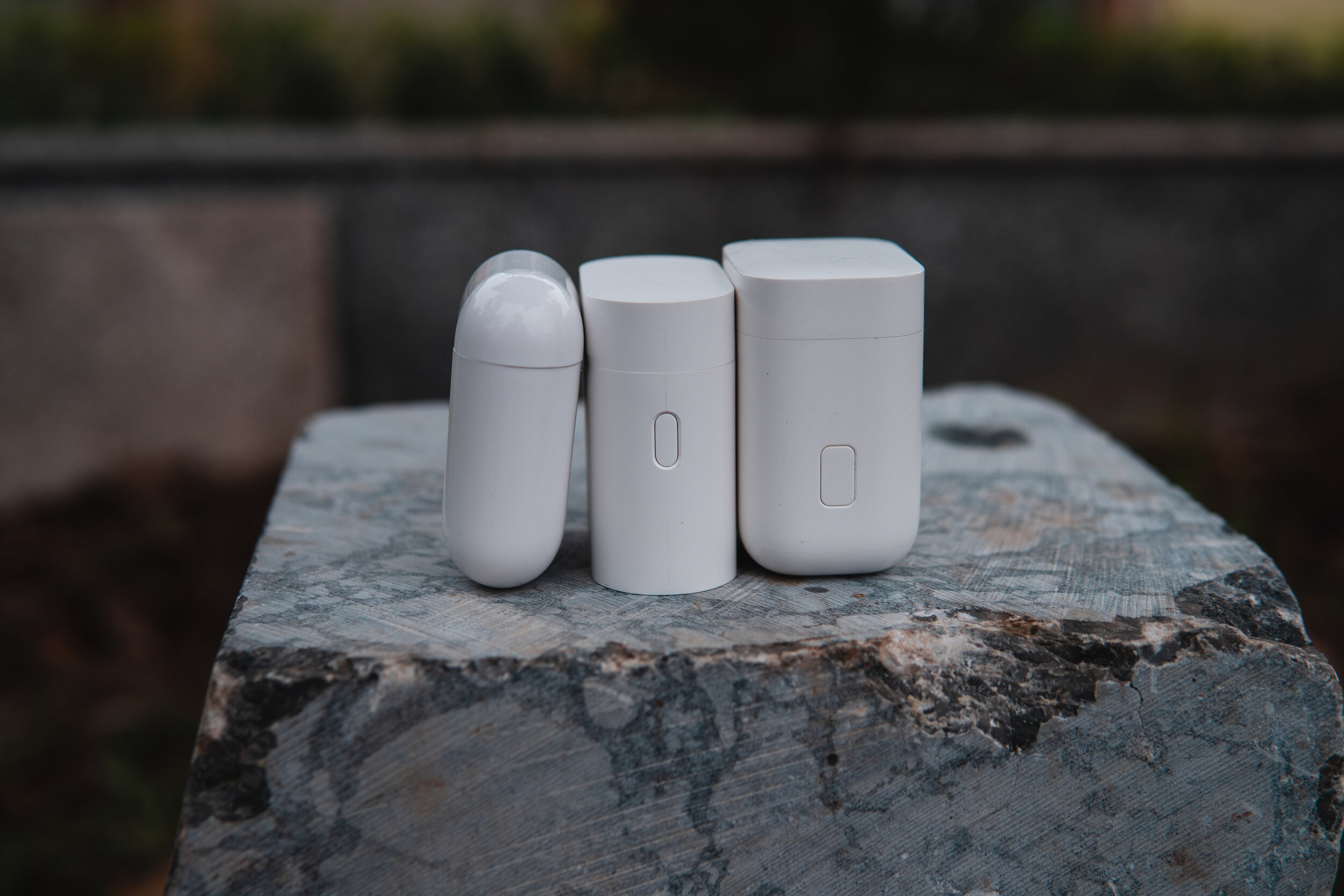
Because that update has not yet arrived, the device also features less than optimum delays, making the viewing experience not as comfortable as was promised. Using the previous codec, the earbuds still sound as average as they used to, which at a price-tag of $60, makes for a unappealing purchase.
For a device so readily advertised as Xiaomi’s answers to AirPods - a device that would bring a lower price, great audio, but most importantly convenience, the Xiaomi Mi AirDots Pro 2 are currently very lacking - and given Xiaomi’s track-record with updates, we are left with little hope that it may be what it was promised to be one day.
Buy These On Ali Express
Buy These On GearBest
Buy These On BangGood

Awei T10C Review: Awesomely Cheap, Undeniably Great
/
With so many bad examples of cheap truly-wireless earbuds throughout the past year, we are not afraid to admit that upon receiving the Awei T10Cs, we had low standards in mind. After putting them through strenuous use however, we are happy to report that for less than $30, we may have just found the best truly wireless earbuds around.
Initial Impression

Upon initial unboxing, nothing about the Awei T10Cs felt truly special. From its plastic build to the overused AirPods-esque design, these headphones don’t bring anything new to the table. To redeem itself however, you quickly notice upon unboxing that with this product, features come before looks.
With features such as having Qi wireless charging to multiple interchangeable earbud tips, the Awei T10Cs bring more to the table than any other competitor at its price - setting forth a prime example of a moment when one should really not judge a book by its cover.
Experience
Cheap construction aside, the Awei T10Cs are extremely comfortable, allowing for more than an hour and a half of usage before we felt any sort of discomfort. Furthermore, the sleek battery case - which rapidly recharges the earbuds once its 2.5-3 hours of playtime are done - meant that the entire package was as minimal as it should be, making usage outdoors painless.
The controls make this truly wireless earbud a solid contestant. Being able to control your tracks, pause them and adjust the volume without ever having to take your phone is truly what these products are meant for, and at just $30, the Awei T10Cs get this just right.

Sound is entirely subjective, but in our experience, the Awei T10Cs sound best when put against modern pop songs. Not only is the bass really good here, but the lack of detail makes it pretty challenging to enjoy older sounds that require a lot of detail at a certain pitch.
Unfortunately, if there is one area where the T10Cs simply collapse it would have to be its microphone. To conserve costs, Awei used a very cheap non-multidirectional microphone, making taking calls and recording video outdoors a really hard task.
Conclusion
With rather flimsy designs and unimpressive features, It is often hard to recommend truly-wireless earbuds under the $30 price-point. The Awei T10Cs however, while not necessarily spectacular, achieve a certain level of quality where we can be certain that the average media consumer will be more than satisfied.

MIUI 11 Initial Impressions: A Refreshing New Step
/It’s the holiday season for Xiaomi fans, with the company’s annual refresh of their MIUI, smartphone users all across the globe can finally get reasonably excited for something new. After spending a bit with Xiaomi’s latest MIUI 11, we are happy to say it is a refreshing new step.
New features first, MIUI 11 while not having any massive features that will completely change your phone experience, does contain enough small tweaks that when added up make this a worthwhile revision. Firstly, Xiaomi has greatly tweaked how notifications are shown both when the phone is in its always on display mode - which can now display quotes - to when the phone’s screen is on, by neatly lighting up the sides of your screen to warn you of incoming notifications.
Furthermore, Xiaomi has also implemented their version of “digital wellbeing” which conveniently let’s you know what apps are being most used, allowing users to be more in control of their digital experience.
On the visual front, MIUI 11 has kept many of the same elements that made last year’s version so visually appealing, all whilst making small adjustment that go a long way towards polishing your phone’s overall aesthetic. From the flat square design found within some options in your settings, to the many visual designs Xiaomi has used to replace simple toggles, MIUI 11 has a more materialistic design language that feels familiar yet different.
Where battery and performance are concerned, Xiaomi has built quite the reputation throughout the years in terms of ensuring noticeable upgrades with each software update - this is no different here. In our brief time testing MIUI 11, we have not only noticed that the K20 Pro’s battery life has maintained its amazing 8+ hours of SOT, but that the device’s RAM management has been slightly smarter - resulting in an ultimately more enjoyable user experiences.
Great things aside, MIUI 11 is not exactly bug free, with some of its new options such as the on-screen light for notifications often not working as well as it should. With that mentioned, this is simply the initial release of this software, and it is expected that Xiaomi will continue to work hard to ensure that their software is fleshed out with each version update.
All things considered, MIUI 11 isn’t an update that will entirely change how you use your phone, but with the righ set of improvements, it succeeds in ensuring that the user-experience is more enjoyable than year’s past, making it a worthwhile update to any Xiaomi user.